What Is an Asset-Based Loan?
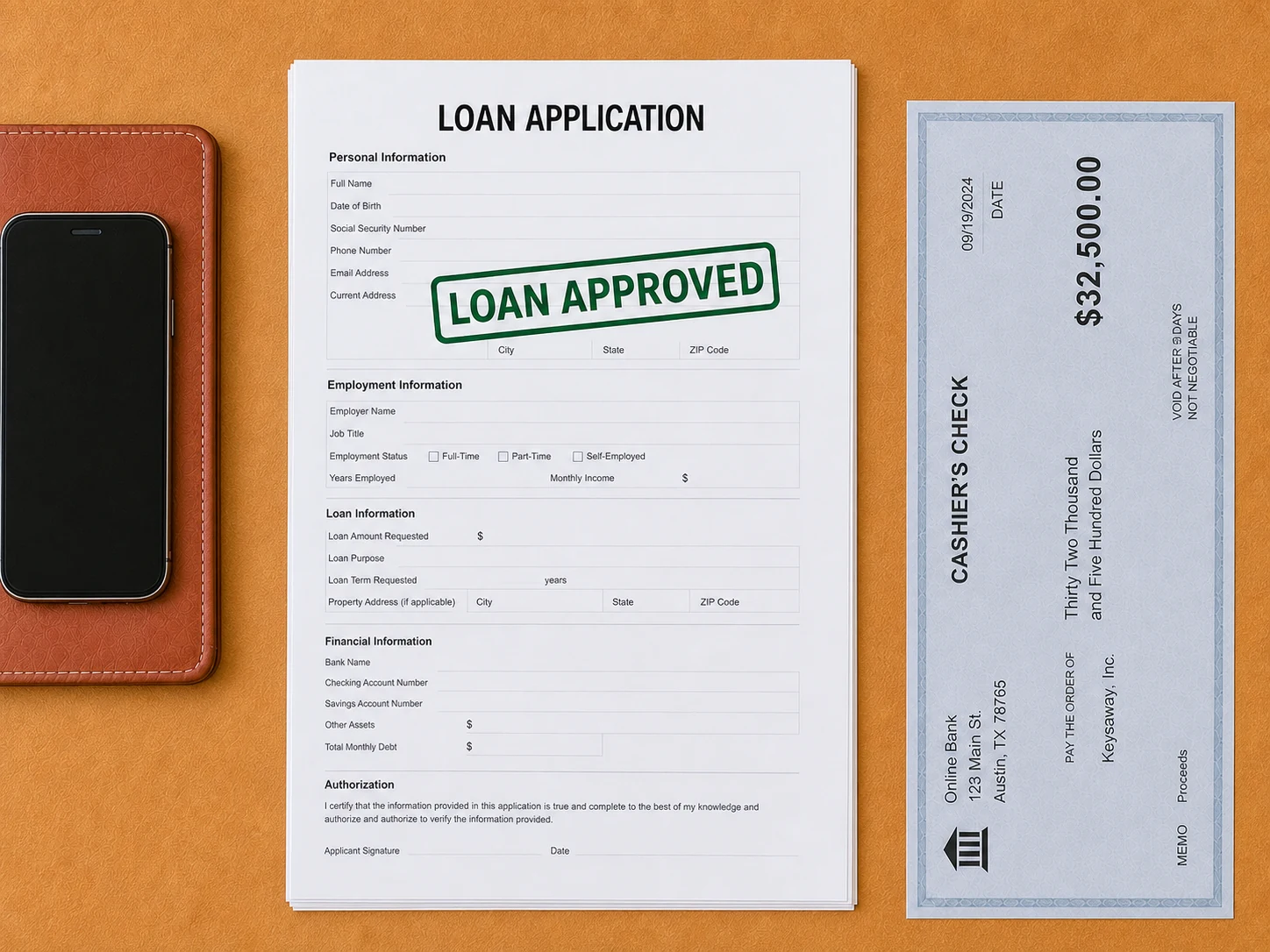
An asset-based loan is a loan or line of credit secured by property you own. Instead of relying only on your income or credit score, the lender places substantial weight on the value, ownership, condition and marketability of the collateral offered for the loan.
These loans usually work best when the pledged asset is fully paid for or close to fully paid. A lender generally wants enough available value in the asset to secure the new loan and may require a first-priority lien or another clearly documented security interest. Existing liens reduce the amount of usable equity and may prevent an asset from qualifying.
Who Might Consider This Option?
This option may be worth exploring if you need funds to bring a delinquent mortgage current but do not qualify for a conventional unsecured loan. You must own another asset with enough available value and have a realistic plan for repaying the new debt.
An asset-based loan does not eliminate debt. It replaces an immediate cash shortage with a secured repayment obligation. If you do not repay the loan, the lender may be able to take or sell the pledged asset.
What Can't Be Used as Security?
YOUR TEXAS HOMESTEAD: Your homestead can't be used as collateral for the type of asset-based loan described on this page. Texas law sharply restricts liens against homestead property and permits them only for specific categories of debt. This page concerns loans secured by other assets.
A lender may also reject property with disputed ownership, insufficient equity, existing liens that cannot be cleared, unreliable income or royalty records, restrictions on transfer, or no practical resale market.
Assets That May Be Used as Collateral
Non-Homestead Real Estate
Vacant lots, land, rental houses and other non-homestead real estate may provide collateral when you have clear title and substantial equity. A lender will usually examine market value, existing liens, unpaid taxes, title issues, insurance and how quickly the property could be sold if the loan is not repaid. The lender may secure the loan with a deed of trust against the property.
Personal Property and Other Hard Assets
RVs, boats, cars and similar property may qualify when you own them outright or owe very little against them. The lender may review the title, condition, age, identification or serial number, insurance and resale value. Specialized or difficult-to-sell items may receive a lower collateral value than their retail price.
Mortgage Notes and Other Debt Instruments
If another person or company owes you money under a promissory note, mortgage note or another documented debt instrument, the payment stream may have value as collateral. A lender may review the unpaid balance, payment history, interest rate, maturity date, documents securing the debt, lien priority and the financial strength of the person who owes the money. The note or its payments may need to be assigned or pledged to the lender.
Oil and Gas Royalties
Documented oil and gas royalty interests may support a loan when they produce a reliable payment history. A lender may examine ownership records, division orders, recent royalty statements, the paying operator, production history, commodity-price changes and the expected life of the producing property. Because production and prices can decline, the lender may value the income stream conservatively.
Copyright Royalties and Other Revenue-Producing Intellectual Property
Copyright royalties, licensing payments and other revenue-producing intellectual property may be considered when you can prove ownership and show a consistent income history. The lender may review the governing contracts, payment records, remaining term, transfer restrictions, the reliability of the payor and whether the rights or royalty stream can legally be assigned as collateral. Unpredictable or short-lived royalties may receive a substantial discount.
Liquid Securities
Stocks, bonds and certain other securities held in a fully paid brokerage account may be used for a securities-backed loan or line of credit. The lender will decide which securities qualify and how much of their market value can support the loan. If market prices fall, you may have to add collateral or repay part of the loan quickly, and the lender may sell pledged securities if you cannot meet that requirement.
Hard Business Assets
Machinery, equipment and valuable tools owned by a business may serve as collateral. A lender may verify ownership, age, condition, location, maintenance history, serial numbers, appraisal value and the cost and speed of resale. Equipment built for a highly specialized use may be valued lower because fewer buyers would want it.
Accounts Receivable and Other Business Assets
Business accounts receivable may support financing when customers owe documented and collectible invoices. The lender may review the age of each invoice, customer credit quality, payment history, disputes, returns, offsets and whether too much of the total is owed by one customer. Depending on the lender and the business, other assets such as inventory, contract rights or additional property with a measurable resale or collection value may also be considered.
Life Insurance
A permanent life insurance policy with accumulated cash surrender value may provide access to funds. Depending on the policy and lender, the cash value may support a policy loan or another secured arrangement. Term life insurance usually has no cash value to borrow against. Interest and an unpaid policy loan can reduce the death benefit, and a lapse or surrender may create additional financial or tax consequences.
What a Lender Will Need to Review
Expect to provide documents proving ownership, current value, existing loan balances, payment or income history, insurance and any restrictions affecting the asset. The lender will decide whether the asset qualifies, how much it will lend, what lien or assignment it requires and whether funding can be completed before the foreclosure deadline.
Other than interest on the loan, asset-based loans will often have sizeable origination fees and legal fees for document preparation. In some cases, especially with real estate assets, there will be additional closing costs, title company fees and recording fees. These costs could add up quickly and it's up to you to decide whether such loan is for you.
IMPORTANT: Requesting a loan or a lender referral does not stop a foreclosure auction and does not guarantee approval or funding. Confirm all deadlines directly with your mortgage lender, foreclosure counsel or another qualified professional.