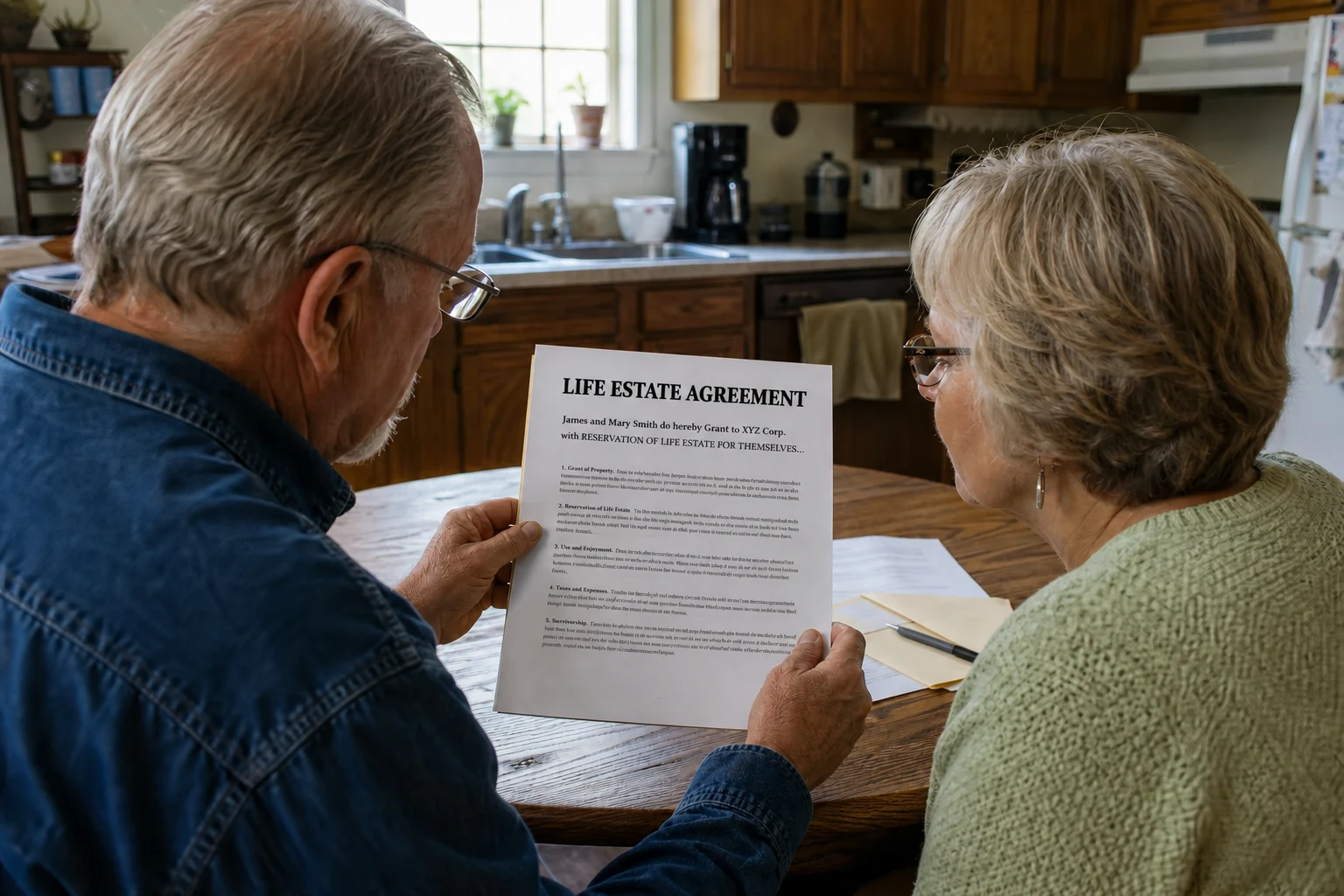
What Is Life Estate
A life estate is a legal concept that refers to the ownership of a property or land for the duration of an individual's life. The person holding the life estate, known as the "life tenant," has the right to live in or use the property during their lifetime. However, the ownership of the property passes to another person or entity, known as the "remainderman," upon the death of the life tenant.
Here's How A Life Estate Works:
Life Tenant: The life tenant is the person who holds the right to use and enjoy the property for their lifetime.
Remainderman: The remainderman is the person or entity who will become the full owner of the property once the life tenant passes away. The remainderman's ownership interest is often set up in advance, and they typically have a future interest in the property.
Duration: The life estate lasts for the lifetime of the life tenant. Upon their death, the life estate terminates, and ownership of the property automatically passes to the remainderman.
Restrictions: Generally, the life tenant cannot sell, mortgage, or transfer the property beyond their own lifetime. This is because their ownership interest is limited to their own life, and they cannot convey a longer interest to anyone else.
Responsibilities of Life Tenant: A life tenant holding life estate is usually responsible for payment of ongoing costs of ownership of the property. These typically include making mortgage payments (if applicable), paying ongoing property taxes, maintaining property insurance. Life tenant is also responsible for repairs and maintenance of the property, and compliance with local codes and ordinances.
Termination upon Death: Once the life tenant dies, the life estate is extinguished, and the property passes to the remainderman without the need for probate or legal action.
Conditional Termination: Life estate can also be terminated by a remainderman based on certain conditions, such as when life tenant fails to fulfill his responsibilities for paying property taxes, mortgages, property insurance, and/or other liens and debts attached to the home.
Life estates are most commonly used for estate planning purposes, ensuring the lifetime use of a property for a family member or spouse, while ultimately transferring ownership to someone else.
Using Life Estate to Save The House From Foreclosure
Homeowners can use Life Estate to raise money by selling their property to an investor and retaining the Life Estate (lifetime use of the property) for themselves.
The funds raised from such sale can be used to pay the past due balances on mortgage to stop foreclosure and bring the loan current.
It's important to consult with legal and financial professionals when considering a life estate to ensure it aligns with your specific goals and needs.